
Asset risk intelligence.

Know what is moving around every asset. Map what each operation depends on, so risk, operations and corporate affairs work from one picture of exposure.

Need

Every team needs the same picture of exposure, at its own altitude.

Long-lived assets cannot move when the ground around them shifts. Tariffs, concession terms, local politics and labour relations now change faster than the review cycles built to track them. The group, the regions and the sites each need to see that change, and each needs a different cut of it.

Operators need to answer three questions, at three altitudes:

  • Where is exposure building across the portfolio?

    For group risk and leadership.

  • What is shifting in each theatre?

    For regional and corporate affairs teams.

  • What outside the gate could disrupt this site?

    For operations.

Problem

That asset context is being rebuilt by hand by the teams who own the problem.

Asset risk is served by many narrow tools. Ratings score each country and site a few times a year. Alerting platforms geofence each site, but much of what they flag still depends on analysts spotting it. Advisers go deep, one engagement at a time.

Inside the organisation, the register and the stakeholder records hold only what teams enter. So central teams join it all up by hand, review after review.

The missing capability is one live system, from source to decision, across the portfolio. See how we compare

Build one operating picture of your exposure, from the portfolio to the site.

Local, regulatory and political sources show what is moving around every operation. Genie captures them continuously and connects each one to your footprint. We turn that into intelligence for every team concerned.

  • Map the exposure around every asset.

    We map what each operation depends on: the governments, regulators, communities, unions, partners and routes around it. Your asset lists, risk categories and stakeholder records come in as part of the build. Genie keeps the map current.

  • Monitor it down to the local source.

    Genie watches that map continuously, from local-language press to official notices and specialist feeds. Each development is resolved to the asset, theatre and stakeholders it touches, and read against your risk framework and its history.

  • Connect it to decision making across the portfolio.

    We design what each team receives around the decisions it owns: live views for group risk, alerts for each theatre, briefs for leadership, context for your own AI tools. Each cycle adds to a record the whole organisation can draw on.

Explore Genie

Proven across some of the most exposed operating footprints in the world.

We work with operators whose assets sit across many jurisdictions, along contested trade routes and inside dense stakeholder environments. The exposure moves faster than any review cycle and across more sources than any team can read.

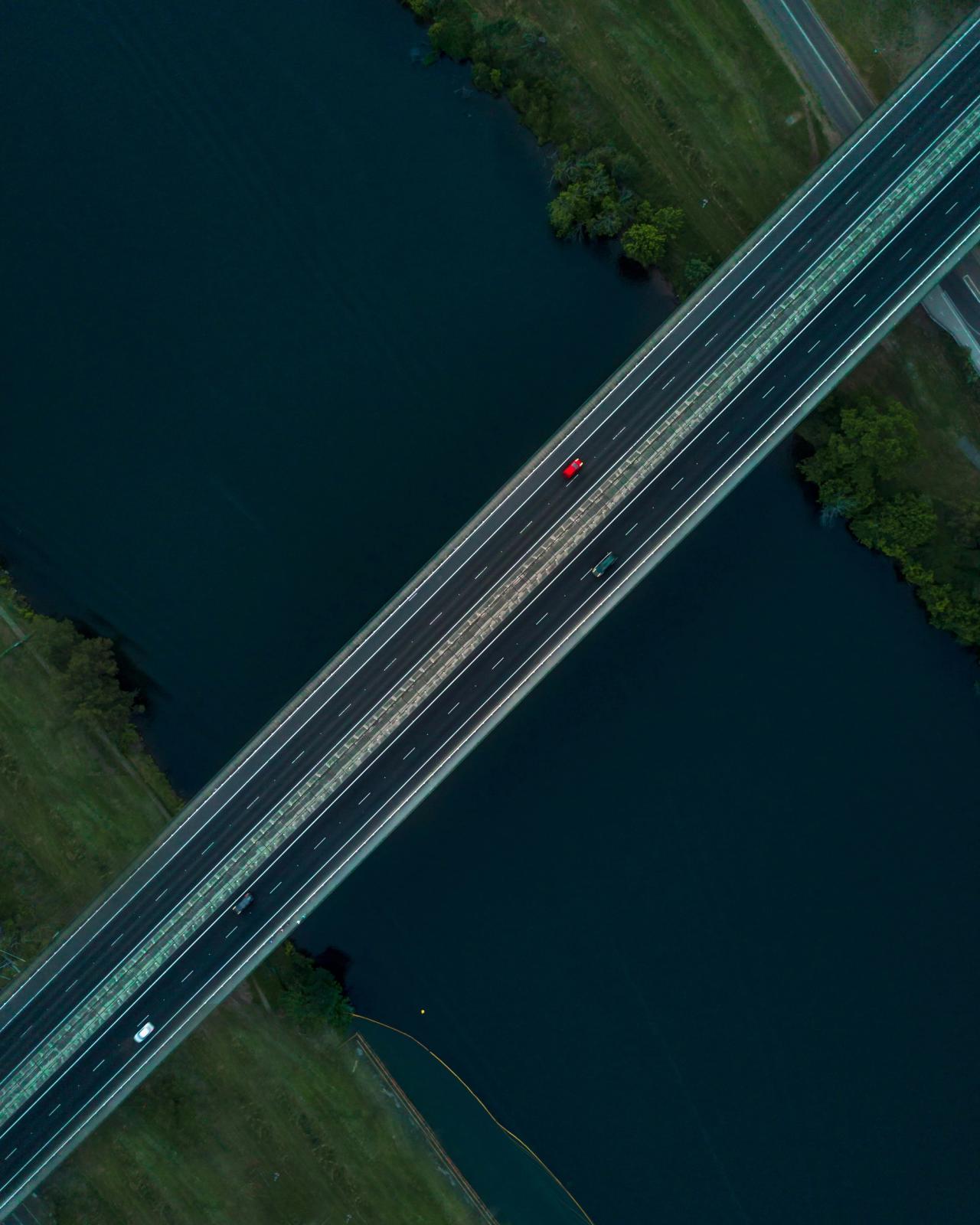
An aerial view of a road bridge crossing a river

Featured case study

A global logistics group connected corridor intelligence to operations and relationships

The group tracked political change, trade flows and stakeholder activity across its strategic corridors. Its intelligence came from newsletters, alerts and static assessments. Its own operations, agreements and engagement history sat elsewhere.

Each corridor now has one connected record. New developments are read against the group's operations, relationships and past engagements. Regional teams keep ownership of their context, and headquarters sees the whole. Read more

Trade corridors monitored
7
Local stakeholders mapped
2,000+
All case studies

Getting started

Start with the exposure already demanding attention.

Bring a live development, an exposed site, a priority theatre or an existing risk review. We will turn it into the first working scope for your operating picture.

  • Define your scope

    Start with the requirements that are already clear. The scoping tool opens on this mission and connects the data, the stakeholders and the outputs into a working brief.

  • Book a briefing

    Thirty minutes with our team. Tell us what you are trying to solve in your external environment, and we will work through the challenge together. No seat-count qualification. No generic demo.

  • Send us a message

    Drop us a note describing your challenge, or make a general enquiry. We will get back to you as soon as we can.